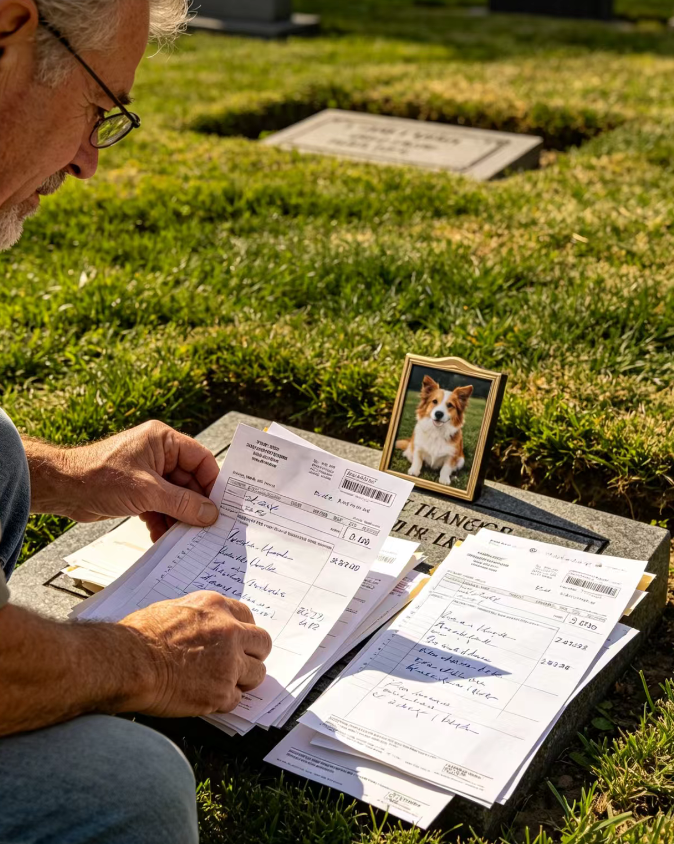
You’ll Age, the Stone Won‘t
A quality granite pet tombstone can last over a hundred years. But you won‘t. You may move, age, or die before the stone does. Who will clean it? Who will remove moss? Who will replace flowers? Setting up a maintenance fund or insurance ensures the stone is cared for even when you can’t.
Three Maintenance Fund Models
Personal trust fund: Set up a trust in your will, appoint a trustee. Interest from the fund pays for maintenance. You specify the amount (e.g., $2,000) and frequency (e.g., annual cleaning). The trustee hires a gardener or does it themselves.
Pros: Most reliable. Legally enforceable. You can specify detailed care.
Cons: Lawyer fees ($500-2,000). Trustee may not want the responsibility.
Best for: Owners with estate planning awareness and disposable funds.
Pet cemetery perpetual care: When you buy a pet cemetery plot, some offer a “perpetual care” option. Pay an extra fee (typically 50-100% of plot price). The cemetery promises permanent maintenance.
Pros: Hassle-free. Cemetery has professional gardeners.
Cons: High upfront cost. Cemetery could go out of business (though some states require a perpetual care fund).
Best for: Owners choosing a pet cemetery over home garden.
Family inheritance arrangement: Designate a family member (child, niece/nephew) to care for the stone after you can’t. No trust needed, just a will and prior communication.
Pros: Free. Strong emotional connection.
Cons: Relies on family‘s willingness and ability. Young adults may move away.
Best for: Owners with children or responsible relatives.

Estimated Maintenance Costs
- Professional cleaning once a year: $50-100
- Sealer application every 2 years (slate/sandstone): $30-50
- Fresh flowers annually: $20-50
- Refill engraving color every 5 years: $50-100
Total annual maintenance: ~$100-200
To generate that from interest at 4% annually, you need $2,500-$5,000 principal.
Pet Tombstone Insurance
There’s no dedicated “pet tombstone insurance.” But you can add the stone to your homeowner‘s insurance under “personal property.” If the stone is damaged by a sudden event (e.g., falling tree, flood), insurance may cover it.
Note: Normal wear (weathering, moss) is not covered. Only sudden accidents.

Virginia’s Legal Precedent
Virginia law requires pet cemeteries to establish a perpetual care trust fund of at least $12,000 before selling the first plot. Interest from the fund covers cemetery maintenance. This protects pet owners. If choosing a pet cemetery, prioritize states with such laws.
What Happens Without Arrangements
Without arrangements, the stone may be overgrown by weeds, discarded by new homeowners, or left unmaintained after a cemetery lease expires. A stone that should last a century may disappear in decades.