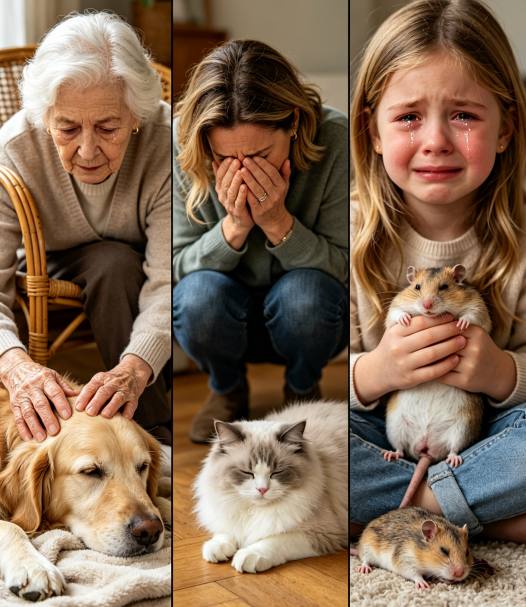
Age Affects How We Memorialize
Losing the same pet, people of different ages react differently. A child may cry and then draw a picture. A young adult may order a custom pet tombstone. A senior may be calmer but also more afraid of loneliness. Understanding these differences helps family members support each other.
Children (3-12 years): Tombstone as a Healing Tool
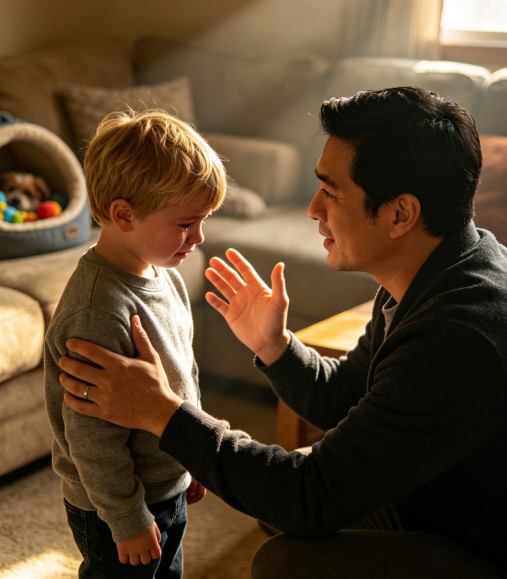
Children’s relationships with pets are direct. Pets are playmates, secret confidants, friends who never criticize. When a pet dies, children need help understanding death.
Children’s attitude toward tombstones: Children usually want the stone to look nice, have color, have a photo. They like heart, bone, or animal shapes. They want the pet‘s name and “best friend” engraved.
How to help: Let the child help choose or design the stone. Let the child draw a picture to place under the stone. Take the child regularly to talk by the stone. Don’t stop the child from crying.
Tip: Don‘t explain death as “went to sleep.” Children may become afraid of sleeping. Say directly: “The pet’s body stopped working.”
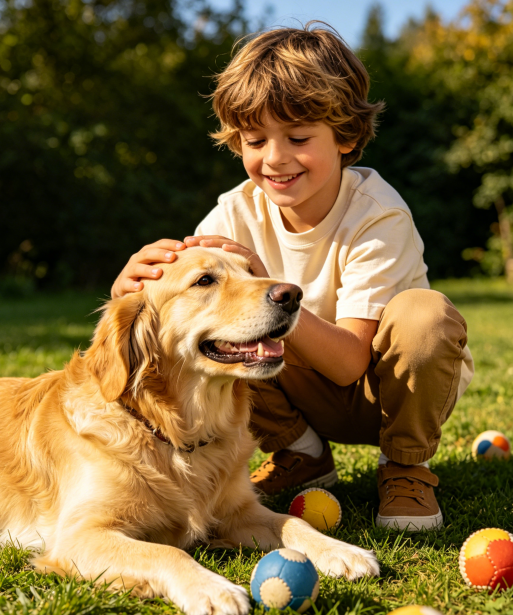
Young Adults (13-35 years): Personalization and Rituals
Young adults are the main group ordering custom pet tombstones. They grew up with the internet and are used to personalized expression. They are willing to spend money and time on design.
Young adults‘ attitude: Seek uniqueness. Laser photo engraving, 3D printed sculptures, QR code digital memorials – young adults are the first to accept these. They like sharing photos of the stone on social media.
How to help yourself: Don’t suppress grief. Allow yourself to cry. The customization process itself is healing. Place the stone where you can see it.
Tip: Young adults can fall into excessive memorializing – spending too much money, too much time immersed in grief. Set a budget and also a mourning deadline.
Middle-Aged Adults (36-60 years): Practicality and Legacy
Middle-aged adults often have children and elderly parents. Time is tight, stress is high. Losing a pet is an extra emotional burden. But they are also more mature and can handle things rationally.
Middle-aged adults‘ attitude: Focus on practicality. Choose durable granite, not novelty. Want a stone that is low-maintenance. Also start thinking about legacy: who will care for this stone after I’m gone?
How to help yourself: Place the stone at home, not in a distant cemetery. Seeing it daily as you pass by is healing. Don‘t skip the farewell ritual just because you’re busy.
Tip: Middle-aged adults tend to suppress grief. Find time alone to sit by the stone. Acknowledge: “I need comfort too.”
Seniors (60+ years): Companionship and Eternity
Seniors‘ grief over pet loss is often underestimated. They may have already lost a spouse or friends. The pet was their last daily companion. The pet’s death may trigger fear of their own mortality.
Seniors‘ attitude: Want the stone to be cared for after I’m gone. Worry that no one will visit the grave after they die. Some choose to have their own ashes mixed with the pet‘s ashes, or place the stone in the cemetery where they will be buried.
How to help seniors: Don’t say lightly, “Get another one.” Acknowledge their grief. Help them plan: if the senior dies first, who will care for the pet‘s stone?
Tip: Seniors may not express grief openly. Observe behavior changes: loss of appetite, poor sleep, reluctance to go out. Offer to accompany them to sit by the stone.
Coordinating Age Differences in a Family
A family may have members of different ages. Ways to coordinate:
- Let children help design, but adults make final decisions.
- Young adults can handle customization and costs, but respect seniors‘ opinions.
- Seniors can tell stories about the pet, helping younger ones understand the pet’s life.
If your beloved companion deserves a unique and eternal memorial, please visit our 【Product Page】(https://petheadstone1.com/) or create a custom pet memorial stone for your pet through our 【Customization Service】(https://petheadstone1.com/).
Pet gravestone#Pet memorial stone#Pet headstone#Pet marker#Pet grave marker#Pet memorial plaque