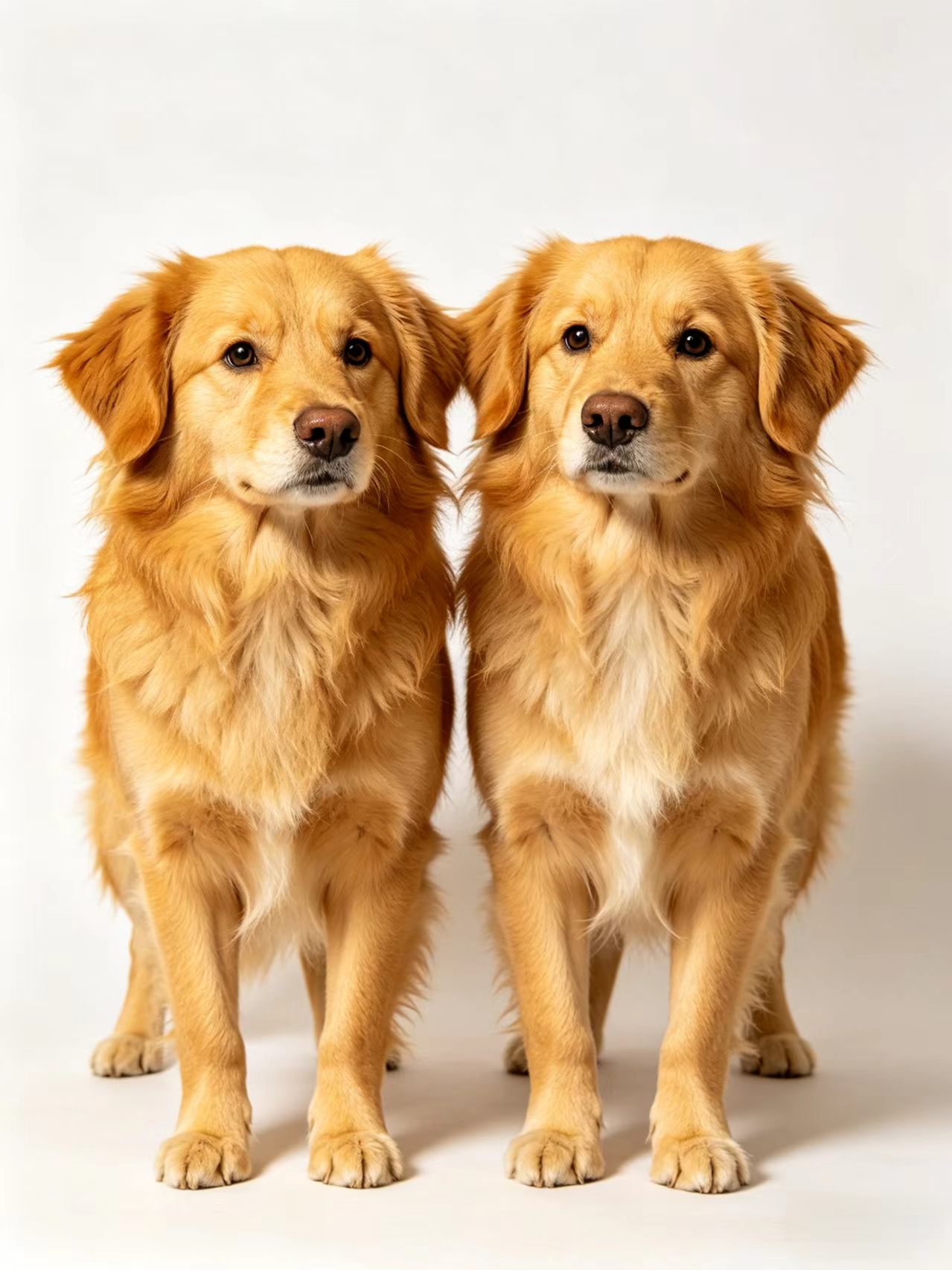
Cloning Technology: Bringing Your Pet Back Through Genes
In late 2025, American football legend Tom Brady announced that he had successfully cloned his beloved dog Lua, who had passed away in 2023. Using somatic cell nuclear transfer, Brady brought Lua back in clone form.
This is not an isolated case. The global dog cloning market is projected to reach approximately $1.5 billion by 2033, growing at a CAGR of 15%. But does cloning truly bring back the same pet? The answer is complicated.
A cloned dog shares identical nuclear DNA with the original, but its mitochondrial DNA comes from another animal. Factors like diet, stress, and exercise can also affect gene expression, causing the clone to look different from the original.
More importantly, cloning replicates the body, not the memory. A cloned dog won‘t remember you. It won’t remember the bed it slept in as a puppy or the path you walked together.
One owner who spent $50,000 to clone her dog later admitted: “If I had to choose again, I wouldn‘t do it.” She found the clone‘s personality was completely different, and the feeling of “familiar yet strange” actually prolonged her grief.
Digital Cloning: Preserving Your Pet’s Personality Through AI
Beyond biological cloning, digital cloning is becoming another way to “keep” a pet. By analyzing a pet’s behavioral data, videos, audio, and photos, AI can reconstruct a digital personality of the pet.
This technology captures not genes but personality. It can replicate behavior patterns—the angle of the head when you call its name, the look in its eyes when begging for treats. But this digital pet has no consciousness. It is a carefully designed algorithm, not a sentient being.
Academics are studying this phenomenon seriously. Some research papers compare biological cloning and digital deathbot reconstruction as emerging socio-technical practices in human-companion animal memorialization. Digital cloning operationalizes memory as data, translating animal subjectivity into algorithmic performance.
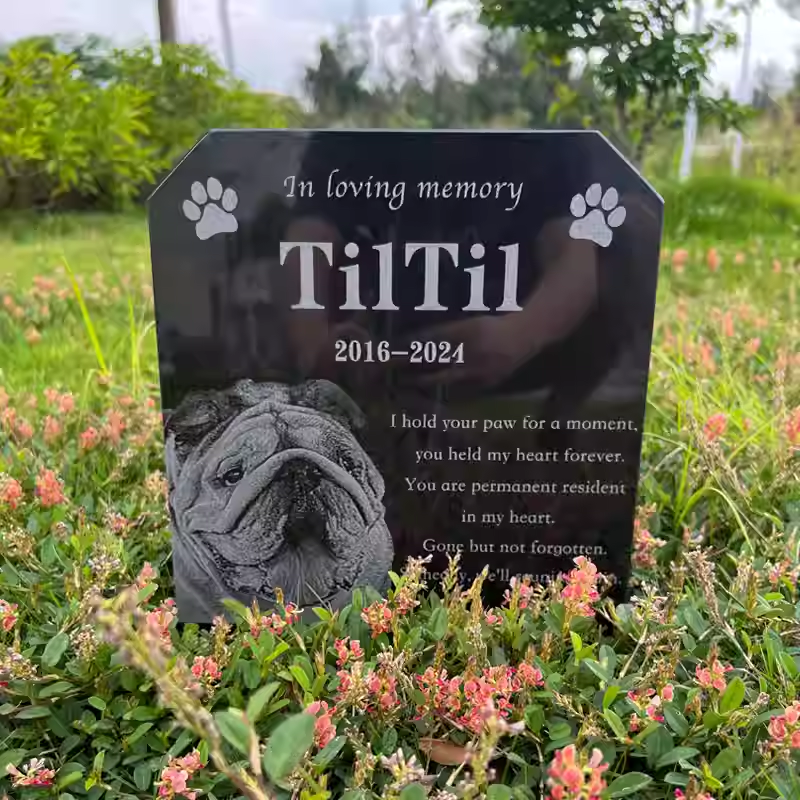
How Cloning Affects the Meaning of Pet Tombstones
If you can clone a living pet or use an AI chatbot to “keep talking to your pet,” does a traditional pet tombstone still matter?
The answer is yes. Cloning and digital cloning try to keep the pet. A tombstone memorializes the life that has passed. They serve different needs.
Cloning answers the question: Can I have another pet just like it? A tombstone answers: How do I remember the one I had, and the time we shared?
In fact, many owners who choose cloning also customize a tombstone for the original pet. The tombstone memorializes the original—the one with unique memories and a unique relationship. A clone is a new being with new memories. It should not replace the tombstone.
A Tombstone: An Irreplaceable Emotional Anchor
No matter how technology advances, a pet tombstone engraved with your pet’s name, dates, and a eulogy offers something technology cannot replicate: a real, tangible, unchanging anchor for your emotions.
When you stand before the stone, you don‘t expect your pet to respond. You know it’s gone. But you can sit down, remember what it looked like alive, cry, then stand up and continue living. This process is grief fully experienced. This is when healing happens.
Cloning and AI can create substitutes, but they cannot replace the experience of grief itself.
If your beloved companion deserves a unique and eternal memorial, please visit our 【Product Page】(https://petheadstone1.com/products) or create a custom pet memorial stone for your pet through our 【Customization Service】(https://petheadstone1.com/custom).
Pet gravestone#Pet memorial stone#Pet headstone#Pet marker#Pet grave marker#Pet memorial plaque