Ancient Egypt: The Sacred Status of Pets
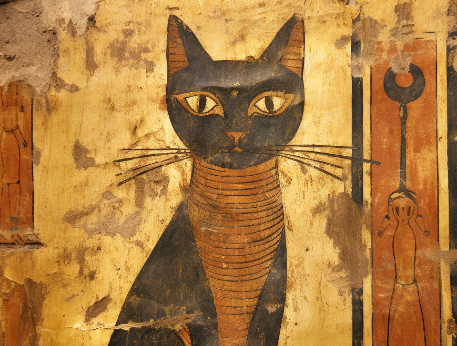
The ancient Egyptians were among the first civilizations to systematically memorialize pets. Cats were seen as incarnations of the goddess Bastet. When a house cat died, the owner would shave their eyebrows as a sign of mourning. Cats were mummified, placed in small sarcophagi, and sometimes buried with mummified mice to eat in the afterlife.
Dogs were also respected in ancient Egypt. Pharaoh‘s tombs have been found with inscriptions naming their pets. This practice of permanently memorialing pets in stone can be seen as the precursor to the modern pet tombstone.
Victorian England: The Origin of Pet Cemeteries
In the late 19th century, during the Victorian era, pet memorials became popular. Nobility would build small tombstones for their pets on their estates. In 1881, the world’s first public pet cemetery opened near Hyde Park in London. Today, hundreds of pet tombstones with heartfelt epitaphs remain there.
Tombstones from this period were typically black granite or marble, engraved with the pet‘s name, dates, and poems like “Our faithful companion, until the Rainbow Bridge.”
Japan: Commercialization and Rituals in Pet Memorials
Japan has one of the most developed pet memorial cultures. Statistics show that over 90% of Japanese pet owners choose cremation, then purchase a grave site for their pet. Pet cemeteries are found nationwide, with elegantly designed tombstones, sometimes accompanied by small stone lanterns.
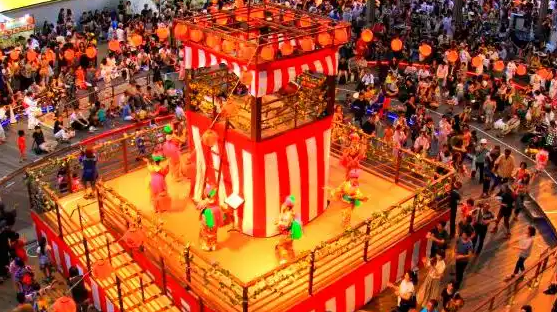
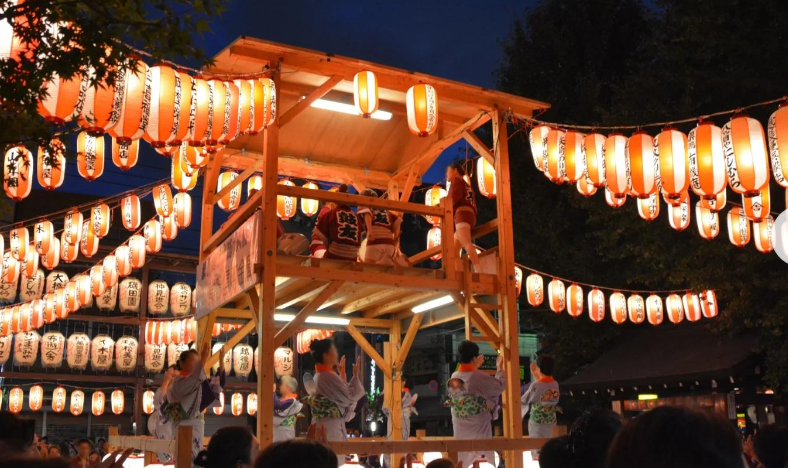
During the Obon festival in August, Japanese owners visit pet cemeteries with flowers and treats. There are also “pet memorial services” conducted by Buddhist monks. Some temples have “pet spirit tablets” placed in the same hall as human ancestral tablets.
The United States: The Rainbow Bridge and Personalized Tombstones
In the US, pet memorial culture is highly developed. The poem “Rainbow Bridge” has become almost synonymous with pet memorials. The poem says that pets wait for their owners on the other side of the Rainbow Bridge, and one day they will reunite.
American pet owners most often choose pet tombstones to place in their own gardens. Personalization is extreme: laser photos, paw prints, bone shapes, and even the pet‘s catchphrase. According to a 2025 survey, over 60% of US pet owners have customized some form of memorial for their deceased pet.
China: Pet Memorials from Marginal to Mainstream
In the past, the Chinese attitude toward pet death was casual, sometimes even discarding pets in the trash. Now the situation is completely different. China has 47,000 pet funeral enterprises, and sales of pet cemeteries, urns, and pet tombstones are growing over 20% annually.
During Qingming Festival, more and more Chinese people visit pet cemeteries. Transaction volume for pet memorial products on Taobao increased 160% year-over-year. Traditional Chinese ritual elements—paper offerings, incense, food—have also been integrated into pet memorials.
What We Can Learn from Different Cultures
Different cultures have different ways of memorializing pets, but they share a common need: people need a place to put their longing for a beloved pet. The pet tombstone answers that need. No matter which style you choose, the most important thing is that it brings you comfort.
If your beloved companion deserves a unique and eternal memorial, please visit our 【Product Page】(https://petheadstone1.com/) or create a custom pet memorial stone for your pet through our 【Customization Service】(https://petheadstone1.com/custom).
Pet gravestone#Pet memorial stone#Pet headstone#Pet marker#Pet grave marker#Pet memorial plaque