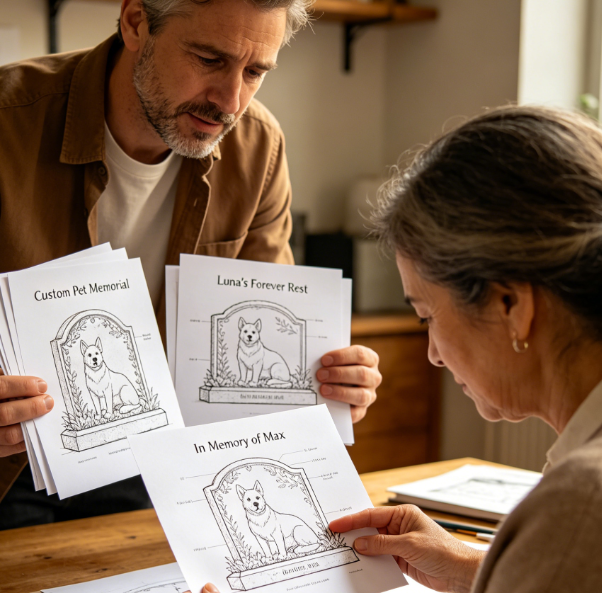
The Conversation No One Wants to Face
You sit with your veterinarian, facing a pet that is suffering. You don‘t want to hear the word “end-of-life.” Yet for your pet’s final dignity, you must sometimes face the hardest conversation in the world.
According to dvm360, the core principle of euthanasia conversations is listen first, then understand. Veterinarians use open prompts such as “tell me more” to draw out details about the pet‘s condition and the owner’s priorities. If the owner’s perspective seems to differ from the team‘s, the veterinarian should give a gentle “warning shot”: “I’m worried what you are seeing might be different than what I‘m seeing. Let’s review together”.
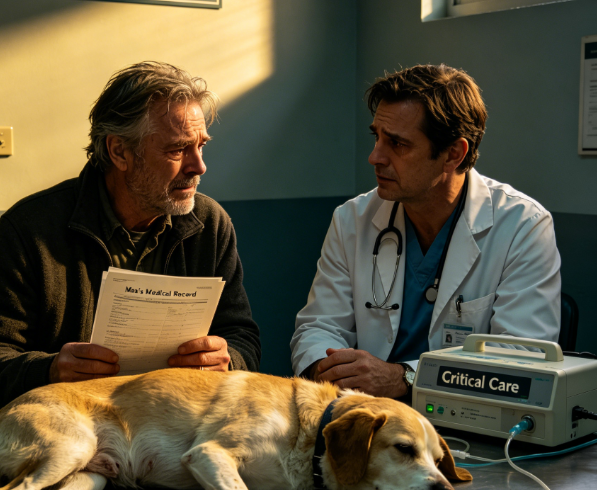
The Difference Between Hospice and Euthanasia
Some early stages of disease can be managed with sedation and conservative therapy rather than immediate euthanasia. That is the essential difference between hospice care and euthanasia. Owners can choose referral to hospice for pain management.
When an owner asks, “Should I do everything for my pet?” the veterinarian must first understand the underlying reasons. A person who regrets not treating a previous pet sufficiently may demand “do everything” for the next one, insisting on unnecessary invasive tests. The veterinarian’s responsibility is to clearly state what will truly benefit the pet without causing excessive distress.
Special Cases of Untreatable Behavior
In certain cases, euthanasia is not about physical organs failing—it stems from behavioral issues. Experts clarify that behavioral euthanasia is not a punishment for disobedience. It is an act of mercy when a pet‘s aggression creates a persistent safety risk for family members or the public that cannot be reversed by training or medication.
Unlike medical euthanasia, which is guided by irreversible physiological decline, behavioral euthanasia is also truly merciful. The owner must define their own acceptable level of risk. Mourning after behavioral euthanasia is even more complicated because outsiders rarely understand the struggle.
The Ritual of the Final Goodbye
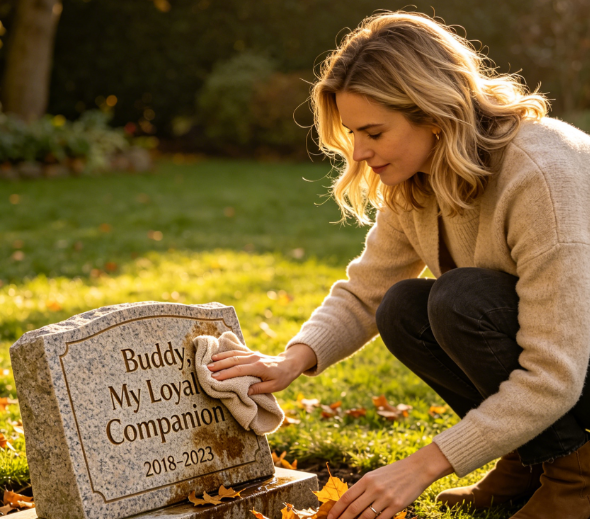
Whether medical or behavioral, the steps afterward are filled with ritual. Many veterinary clinics offer cremation and burial advice. Dignity Pet Crematorium allows owners to say goodbye in person, including home‑style farewells, personalized memorial rooms, and urns and pet tombstones.
No matter which farewell path you choose, a tombstone is the last custom piece of the burial puzzle. An engraved memorial stone can become a place to rest deep emotion, offer fresh flowers, and give family members a place to speak.
If your beloved companion deserves a unique and eternal memorial, please visit our 【Product Page】(https://petheadstone1.com/) or create a custom pet memorial stone for your pet through our 【Customization Service】(https://petheadstone1.com/).